01 — Architecture
How the system is divided.
The autonomy stack runs in two places. SAI executes on the airframe — sensor fusion, navigation, and decision within authorized envelopes, at the latency the physics demands. Zalmoxis runs at the ground station — mission planning, fleet awareness, rules of engagement, and the operator’s authority to hold, divert, or abort.
SAI handles the milliseconds.
Zalmoxis holds the authority.
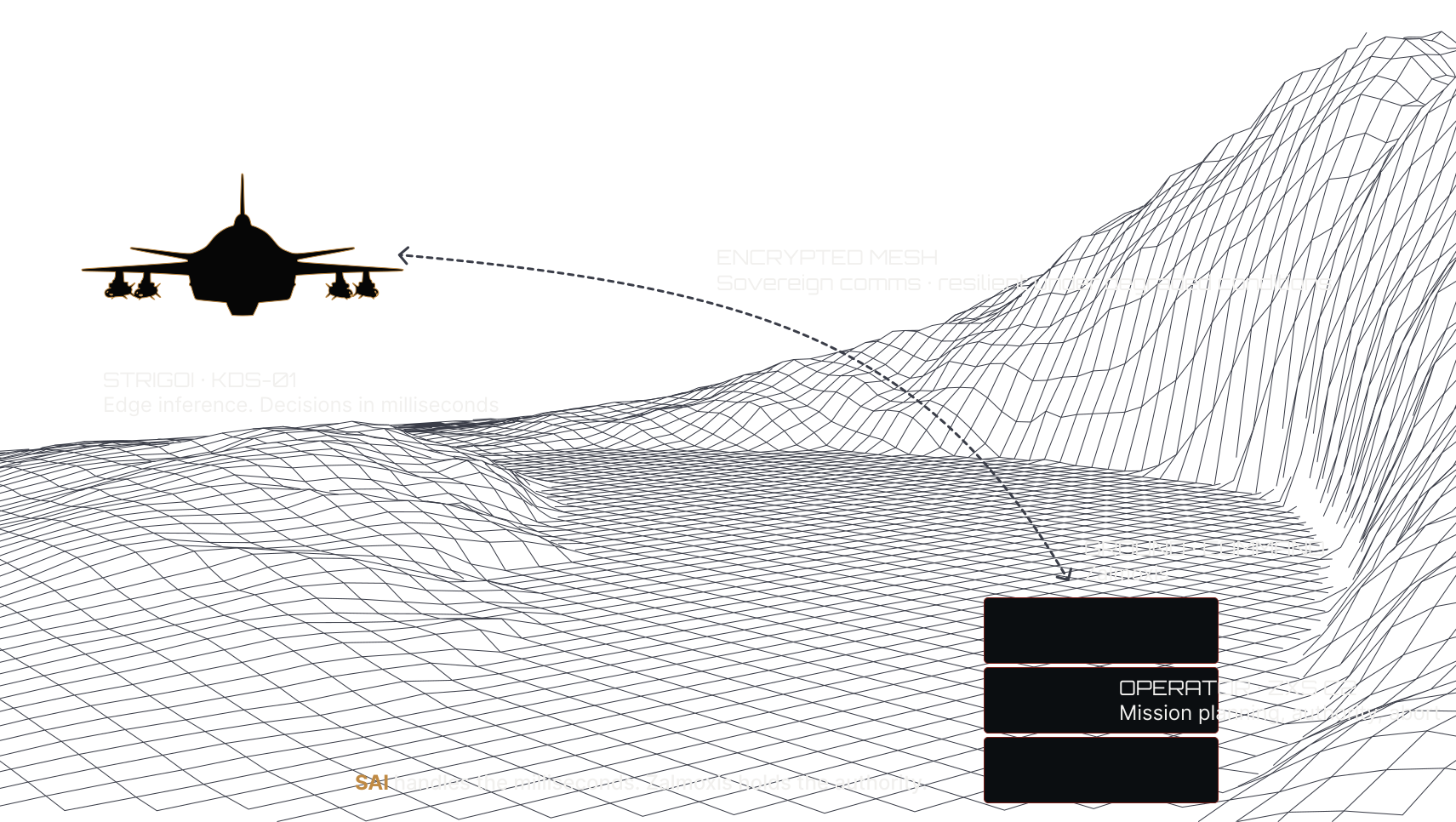
The split is deliberate. Inference at the airframe, where latency is a constraint of physics. Authority at the operator, where it belongs. Neither side carries the load it shouldn’t.
02 — SAI
Strigoi
Autonomy
Intelligence.
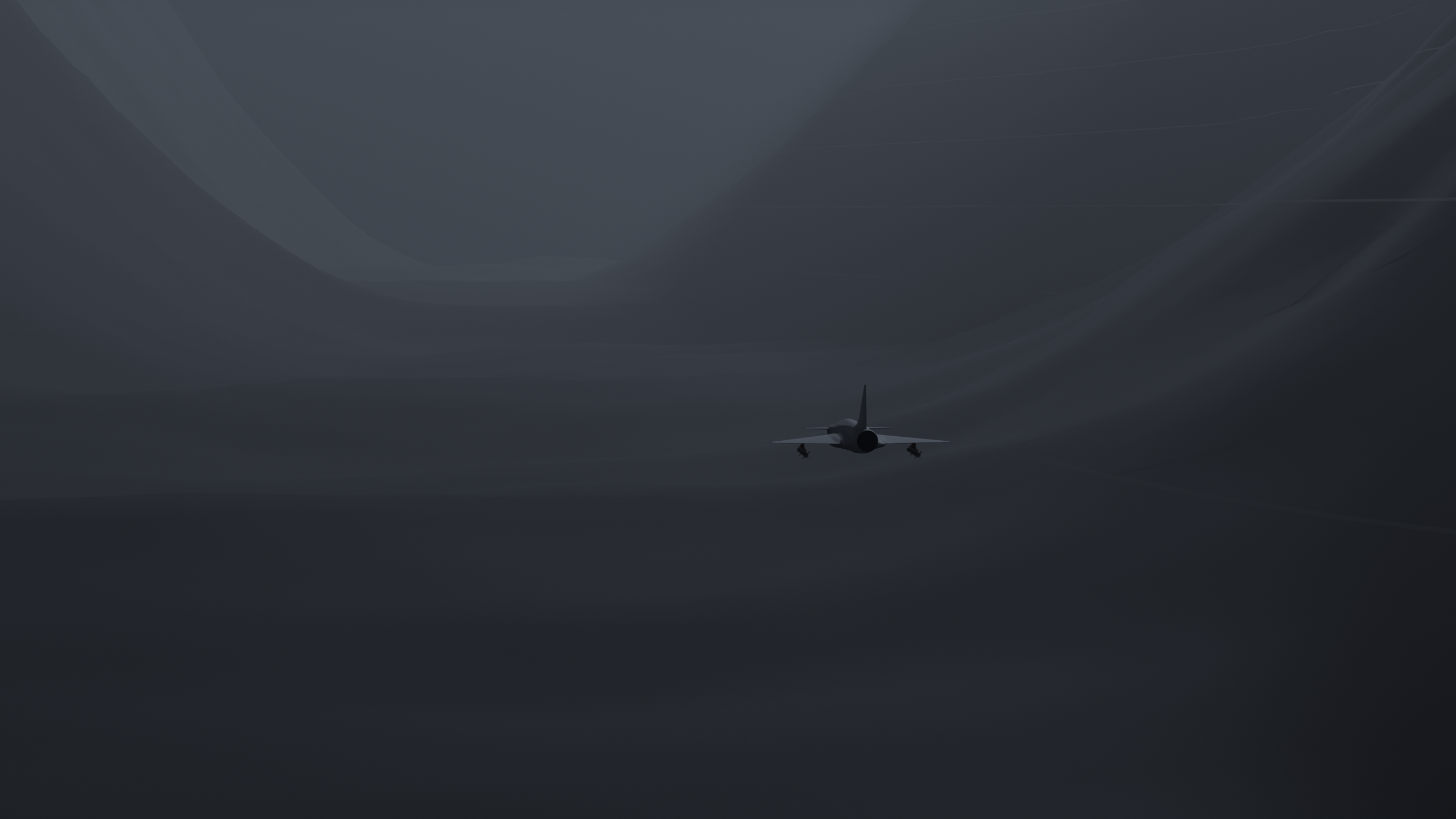
SAI is the on-board brain. Edge inference, running inside the airframe: it sees, decides, and acts inside the milliseconds where the link to the ground may not be available. It earns its authority within the envelope Zalmoxis sets. Outside that envelope, it doesn’t act.

01
Edge inference
Models run on the airframe. No round trip, and decision latency in tens of milliseconds rather than the hundreds a satellite link would impose.
02
Denied environments
The mission continues within authorized envelopes when the link is jammed or denied. Inertial, visual, and terrain-relative positioning when GPS is the first thing taken away.

03
Continuous training
The training pipeline behind SAI runs continuously. Each release reaches the aircraft verified, and the customer can audit what they deploy.
03 — Zalmoxis
Mission
command.
Sovereign.
ZXS · C2 platform
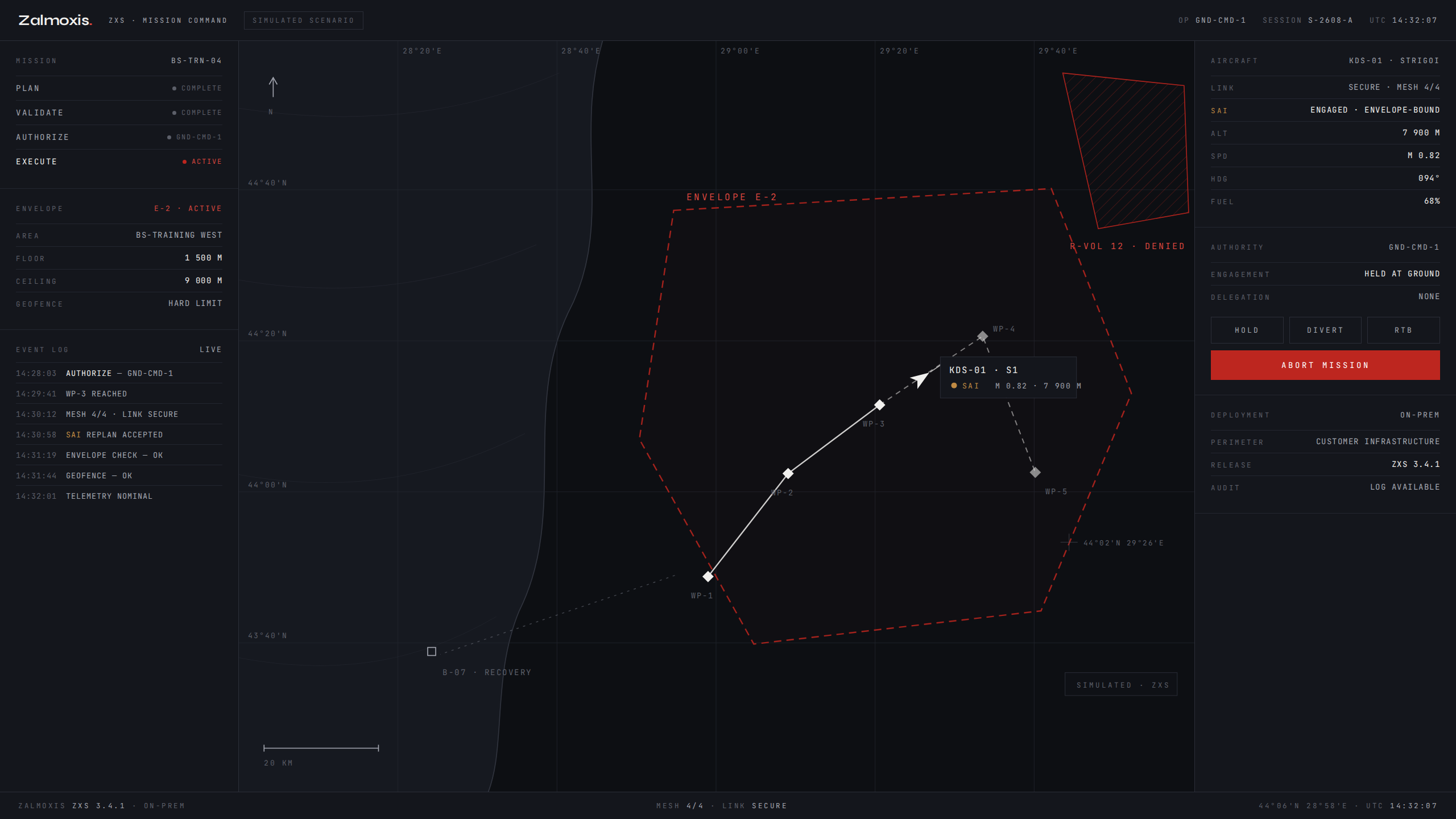
Zalmoxis is the ground side of the architecture — what an operator sees, what a commander uses, and what holds the rules the aircraft must operate within. Mission planning, fleet awareness, geofencing, rules of engagement, authority to abort. Deployed on customer infrastructure; operational data does not leave it.
01
Mission command
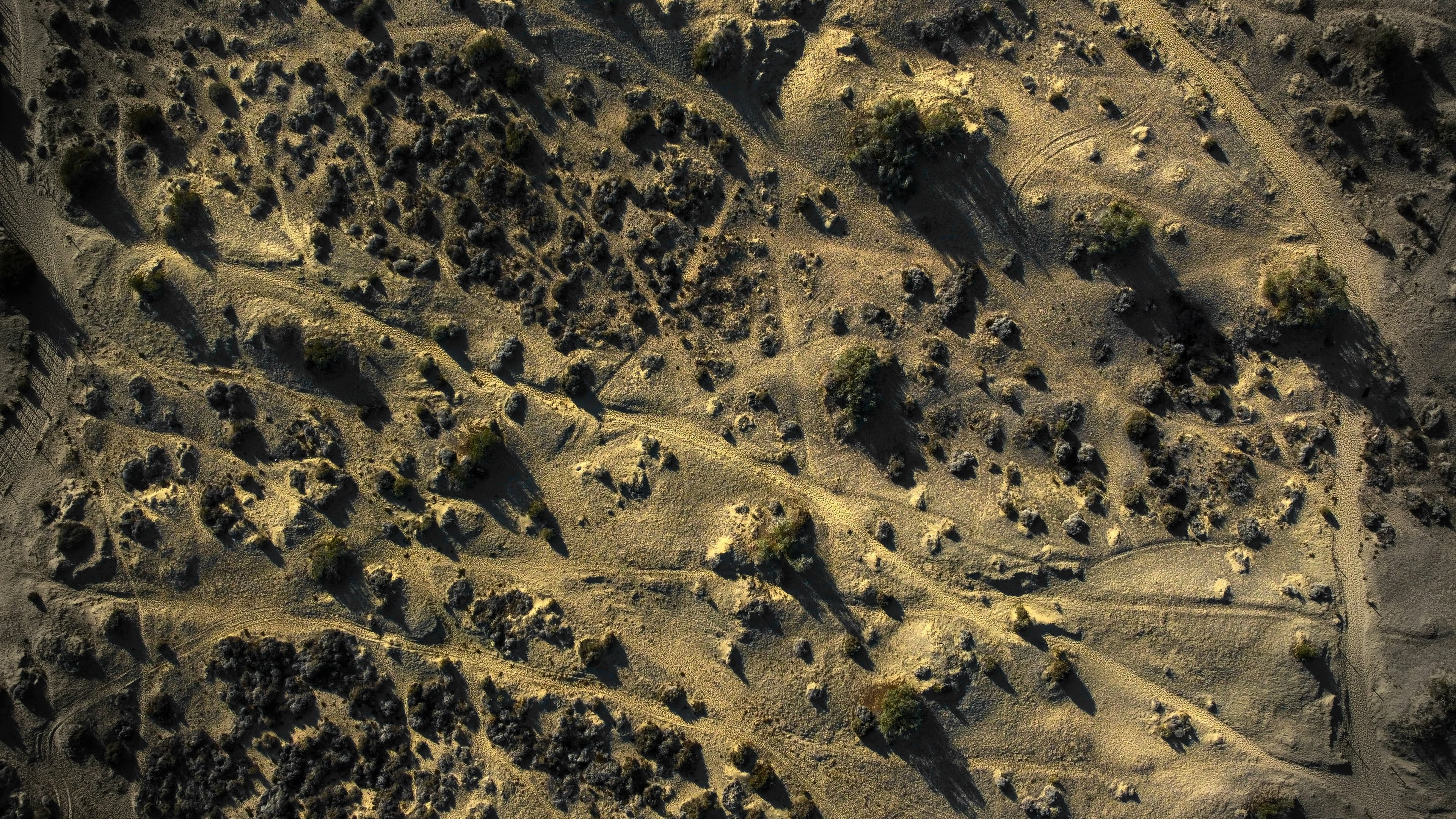
Define the mission, the route, and the rules, then push it to a single aircraft or a fleet. One operational picture, one console.

02
Operator authority
Authority is expressed as boundaries the aircraft must respect — enforced constraints, verifiable before launch. Abort is a first-class operation, not a fallback.
03
Sovereign deployment
Zalmoxis runs on infrastructure the customer owns. No telemetry leaves the customer's network, and it is source-available to government clients.
SAI passed 200 million training steps in April 2026.
Read moreProcurement and partnership enquiries · Contact Kalkan